From research situations
Starting with actual research practices: how data is collected, interpreted, classified, structured, documented, and prepared for publication, dissemination and reuse.

AEC in NFDI4ING
AEC in NFDI4ING is a forum for research data management in architecture, engineering, construction, and related fields. AEC in NFDI4ING connects research practices with sustainable, reusable, and open data and software infrastructures.
Why this matters
Research on the built environment brings together diverse data related to methods, models, software, drawings, measurements, visual materials, sources and documentation practices. These constellations are shaped by urgent research questions, disciplinary traditions, project contexts, and the material conditions of buildings, sites, infrastructures, and archives.
AEC in NFDI4ING works in this space between practice and infrastructure. It supports translating specific research needs into sustainable services, metadata strategies, open workflows, and publication practices within NFDI4ING.
Want to learn more? Listen to the NFDI episode on RDM with Jakob BeetzStarting with actual research practices: how data is collected, interpreted, classified, structured, documented, and prepared for publication, dissemination and reuse.
Bringing together researchers, infrastructure providers, developers, and community initiatives into exchange around recurring needs and open questions.
Connecting requirements from AEC-related research with NFDI services, metadata approaches, repositories, software practices, and publication workflows.
How it works
AEC in NFDI4ING creates a space between research practice and infrastructure. It helps translate recurring needs from built environment research into sustainable support structures within NFDI4ING.
Requirements from AEC-related research are collected, discussed, and translated into recommendations for infrastructure services, metadata services, repositories, and publication workflows.
The development, use, and evaluation of metadata profiles, documentation strategies, and data description practices are supported in order to make research work understandable and reusable.
Open science, open source, and research software practices in the AEC field are discussed with attention to tools, standards, services, and workflows for collaborative research.
Summer schools, online talks, workshops, discussion events, and meetings are organised to connect conceptual discussion, method development, technical exchange, and practical training.
What is offered
AEC in NFDI4ING connects research questions in architecture, engineering, construction, and the built environment with existing NFDI4ING services. These support different moments in the lifecycle of research data and software: from planning and documentation to computation, publication, archiving, and reuse.

Support for planning and documenting research data management processes, including data management plans, project-specific requirements, responsibilities, data types, standards, and publication strategies.
RDMO Access to computational environments for data processing, analysis, documentation, and reproducible workflows. JupyterHub supports research scenarios in which scripts, notebooks, datasets, and methods need to be developed and shared transparently.
JupyterHub Support for handling large and complex datasets in architecture and engineering. INGEST helps researchers prepare datasets for publication and reuse through web-based 2D and 3D visual previews, persistent identifiers such as DOIs, domain-specific metadata, and long-term archiving in accordance with FAIR principles.
INGESTEvents and activities
Our activities combine practical training, conceptual discussion, technical exchange, and community building. We organise summer schools, online talks, workshops, discussion events, and community meetings.

Summer School
A practice-oriented training on modern research data management in engineering sciences. The summer school combines online preparatory courses with an intensive on-site workshop.

Summer School
A practice-oriented training on modern research data management, with a focus on the built environment within engineering sciences. More coming soon...
Cross-NFDI Event
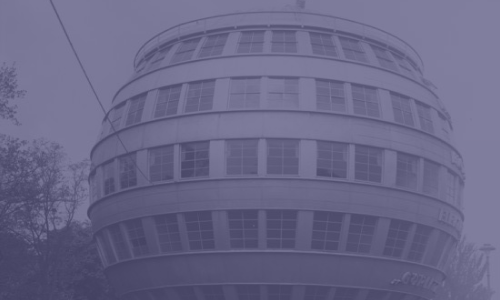
A consortium-spanning lunch-to-lunch event on building reference and standard data involving partners from NFDI4Culture, NFDI4Objects, NFDI4ING, and other collaborators.
Kick-off
Coming soon...
Community Meeting
Coming soon...
Conference
Together for better research! In 2026, NFDI4ING and NFDI4Cat will host a joint conference at the DECHEMA venue in Frankfurt am Main.
Related Projects
AEC in NFDI4ING links to adjacent initiatives that address climate-neutral construction, computational design, and architectural research data workflows.



Cross-consortial exchange
Research on the built environment is inherently interdisciplinary. Questions of documentation, interpretation, representation, provenance, authority data, visual material, and reuse often emerge across disciplines rather than within a single field.
AEC in NFDI4ING therefore exchanges with related NFDI consortia, particularly NFDI4Culture, and NFDI4Objects to identify shared challenges, compare approaches, and support the transfer of knowledge, methods, and technologies across domains.

Who is involved
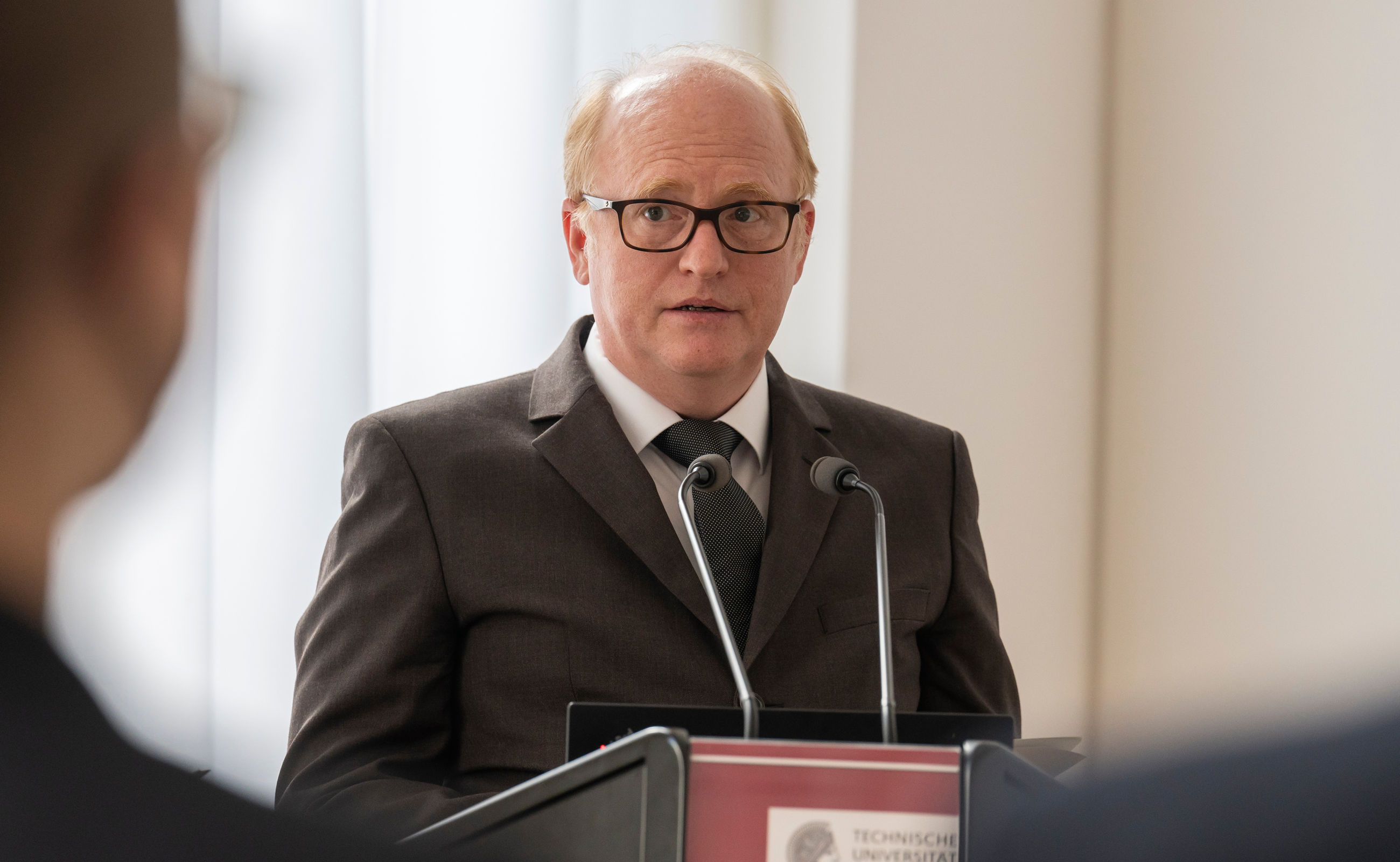
AEC in NFDI4ING is coordinated by people working between research and infrastructure. Researchers, developers, infrastructure providers, and projects working on related questions are invited to contribute topics, cases, and experiences.
As the forum is still emerging, additional participants are invited to help shape its direction, activities, and shared concerns.




Get in touch
We support researchers and projects in developing appropriate RDM strategies, identifying related work, discussing suitable technologies and NFDI services, and preparing data for publication, reuse, and open-science workflows.
You have questions or want to contribute? Drop us a message.